
Never built anything before?
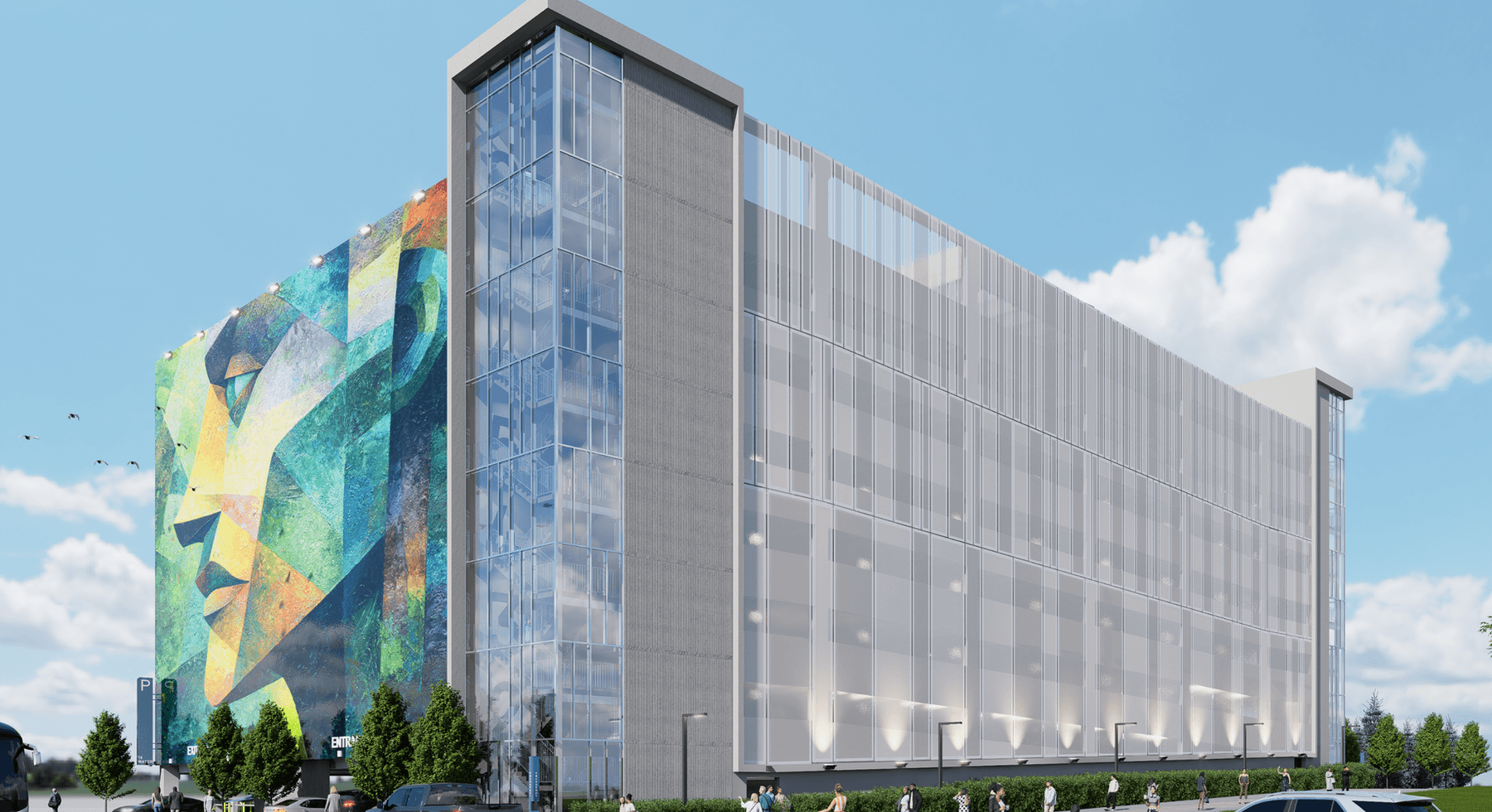
You sign one contract. We hand you a finished building.
We plan it, fund it, design it, build it, and hand you the keys. One contract. One price. One date.
What the work aligns
Performance begins with clear priorities.
- One contract instead of a dozen
- One phone number
- A guaranteed price before construction starts
- A finished building, ready to open
The usual way.
You hire an architect, then engineers, then a construction manager, then a contractor. Four contracts, four sets of incentives. When the budget slips, everyone points at someone else and you carry the risk.
Our way.
One contract. The people who draw the building are the people who build it, so there is no gap between them. You approve the decisions. We do the rest.
Where it starts.
With a Design Framework Report. Before you commit real money you see what the building looks like, what it costs, how long it takes, and where the funding comes from.
What you do.
Decide what your organization needs. Approve the plan. That is it. You will never have to read a drawing set or chase a permit.
Detroit is an advantage, not an address.
We build here. We know Michigan procurement, county review, what bond and sinking fund money can pay for, and what Great Lakes winters do to a building.
Relevant work
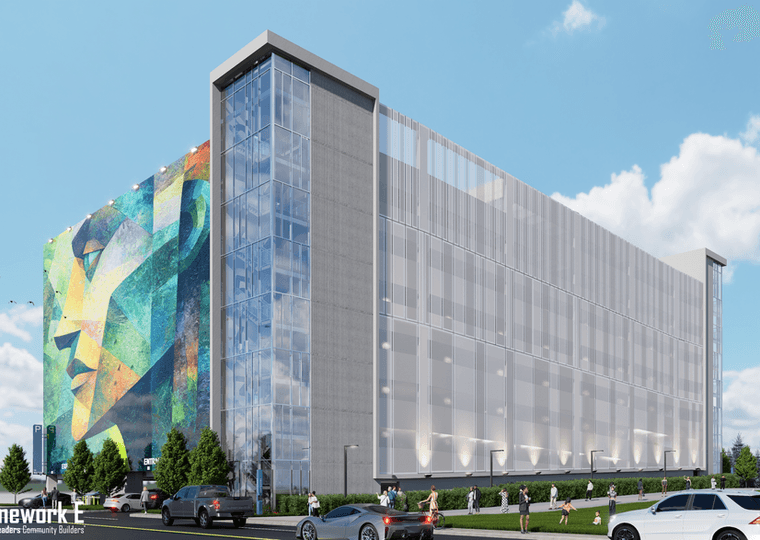
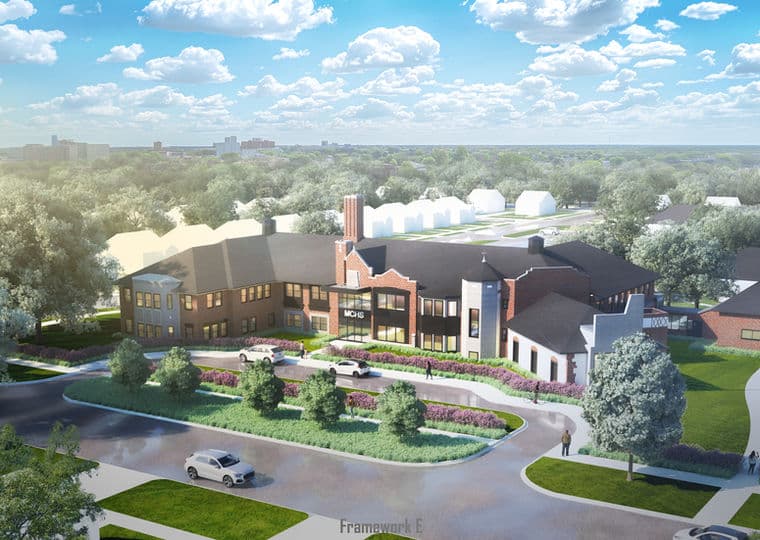
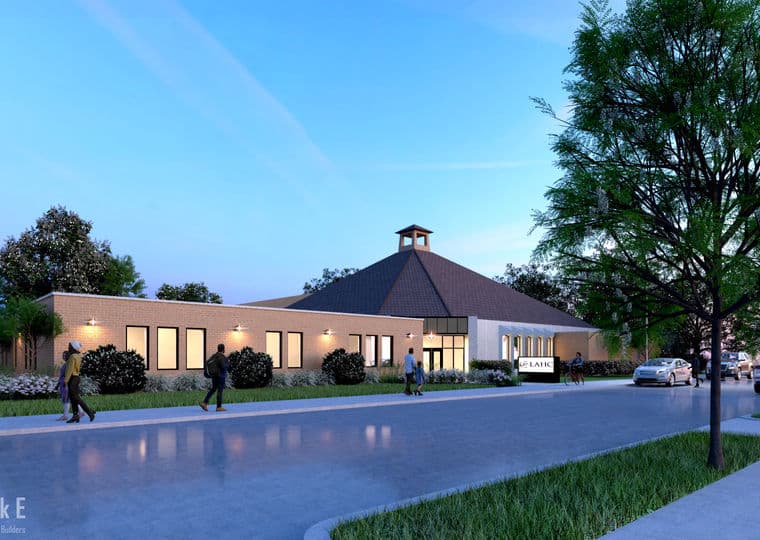
Proof in the portfolio.
Useful answers
Questions owners ask early.
We have never built anything. Where do we even start?
With a conversation, then a Design Framework Report. You do not need drawings, a budget, or a site. You only need to describe what your organization needs to do that it cannot do today.
Do we hire an architect or a contractor first?
Neither. That question only exists because the traditional model splits design from construction and leaves you to manage the seam. We are both, under one contract, accountable for the finished building.
Can we really just approve things and let you handle the rest?
Yes. You approve the program, the budget, and the design, so you stay in control of what gets built and what it costs. Schedules, consultants, bids, and field problems are ours.
What does it cost to work this way?
It depends on the building, but the price is locked before construction starts. We bid trade work competitively instead of adding a general contractor markup on top, so this usually protects more of your budget than the traditional path, not less.
What kinds of organizations do you work with?
Cities, counties, school districts, nonprofits, healthcare providers, and developers. The common thread is an owner who answers to a board, a council, or a community.
Start before the scope hardens