
K-12 + school districts
Bond passed. Now what?
You passed a bond. Now a number on a ballot has to become buildings, and your facilities team is three people who already have full-time jobs. We take that on.
What the work aligns
Performance begins with clear priorities.
- Facility master plans that survive board turnover
- Scope that matches what the money actually allows
- Construction phased around an occupied school
- Board and community presentations we help you deliver
Before the bond.
We document what condition your buildings are in, price the work with escalation applied, and give you the drawings and plain language that make a ballot proposal something voters can picture.
After the bond.
Bond and sinking fund dollars have rules about what they can pay for. We build the scope against the real number, phase it across the life of the bond, and keep a running tally of what is spent and what is left.
We build around the school year, not through it.
A school does not close for construction. Phasing, summer windows, swing space, hard separation from student areas, air quality, and bus circulation get decided in the first meeting.
Gyms and athletics serve the whole district.
They are the most used buildings you own. They also host graduations, elections, and emergency shelter. We build them to take forty years of that.
We help you face the board.
You are the one standing in front of a packed cafeteria explaining cost and disruption. We make the materials for those meetings, and we will stand up and present with you.
Relevant work
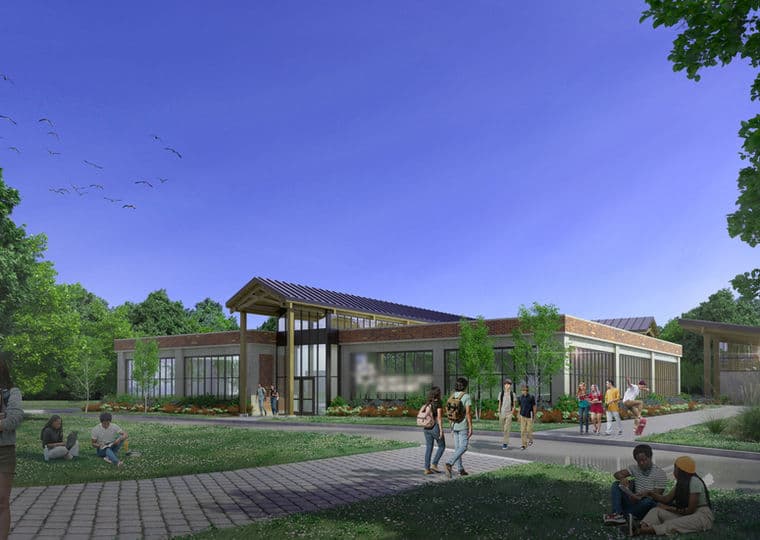
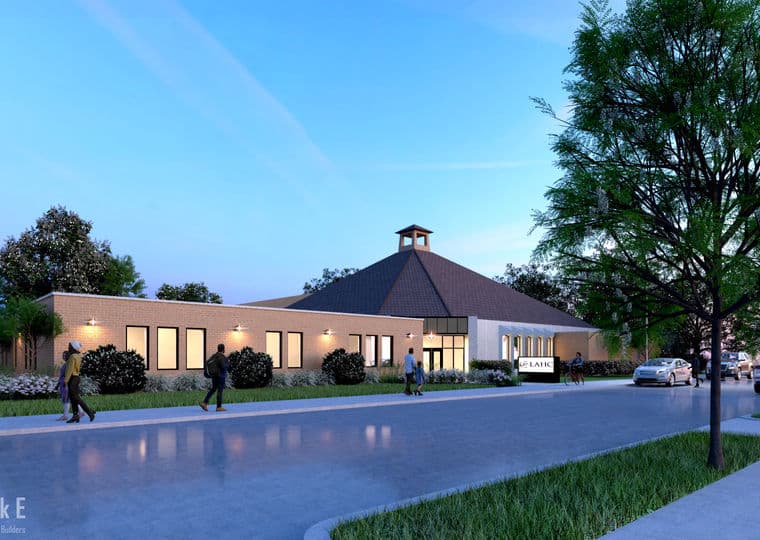
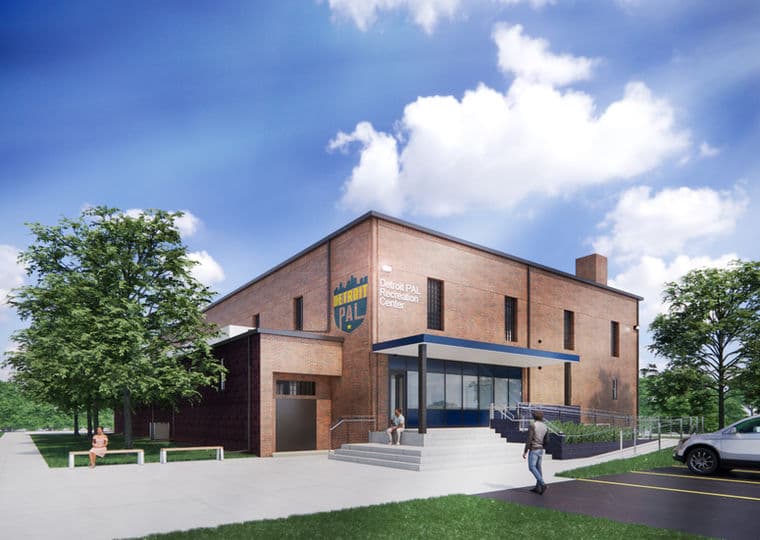
Proof in the portfolio.
Useful answers
Questions owners ask early.
Our bond just passed. What is the first thing we should do?
Match the scope to the money before anyone draws anything. Bond language gets written before a design exists, and costs move between the campaign and the first shovel. A Design Framework Report re-prices the promised scope and tells your board what is funded, what is short, and what needs phasing.
Can you help us before a bond, during the planning stage?
Yes, and this is where districts get the most out of us. Building assessments, master planning, cost models, and presentation materials all make a ballot proposal voters understand and trust.
What can sinking fund money be used for?
Michigan sinking fund revenue is limited to specific capital purposes such as repairing and constructing school buildings, and the rules differ from bond proceeds and have changed over time. We scope the work against current rules alongside your legal and financial advisors.
How do you keep construction safe with students in the building?
Hard separation between construction and occupied areas, badged site access, work pushed into summers and breaks where possible, air quality and noise control, and rerouted circulation for buses and parents. All of it is planned before construction starts.
Do you work with charter and independent schools?
Yes. Charter, independent, and parochial schools face the same facility questions with different funding, and often tighter budgets. The approach is the same, built around the money actually available to the school.
Start before the scope hardens